
Sydney’s Eastern Suburbs Speech Pathology
Speech Pathology and Orofacial Myology for children and adults.
Evidence-based, one-to-one support to communicate, connect and grow.
No waitlist.
Jungle Speech is an independent speech pathology practice, supporting children and families across Sydney’s Eastern Suburbs and Inner West.
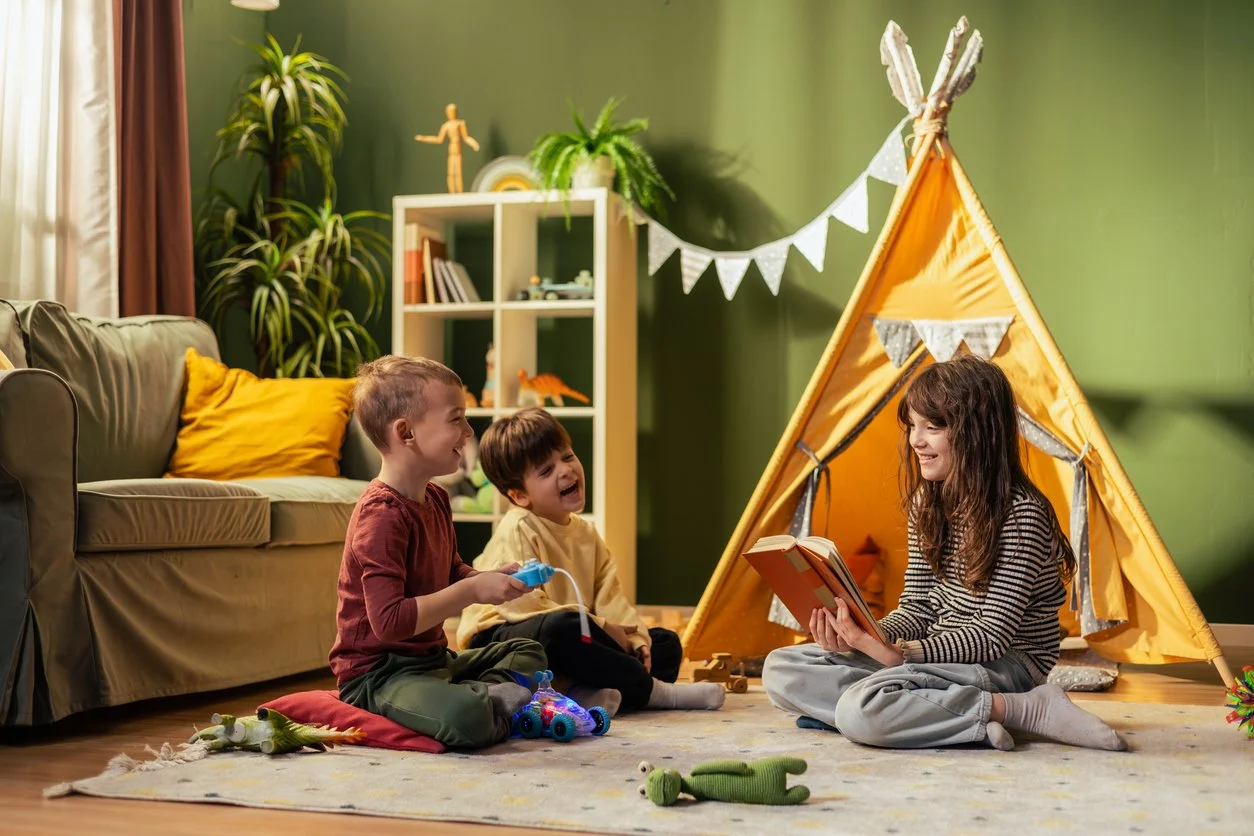
Sessions are personalised, evidence-based and designed to be engaging and fun, with therapy shaped around what matters most to you. We believe therapy works best when children feel comfortable, understood and supported.
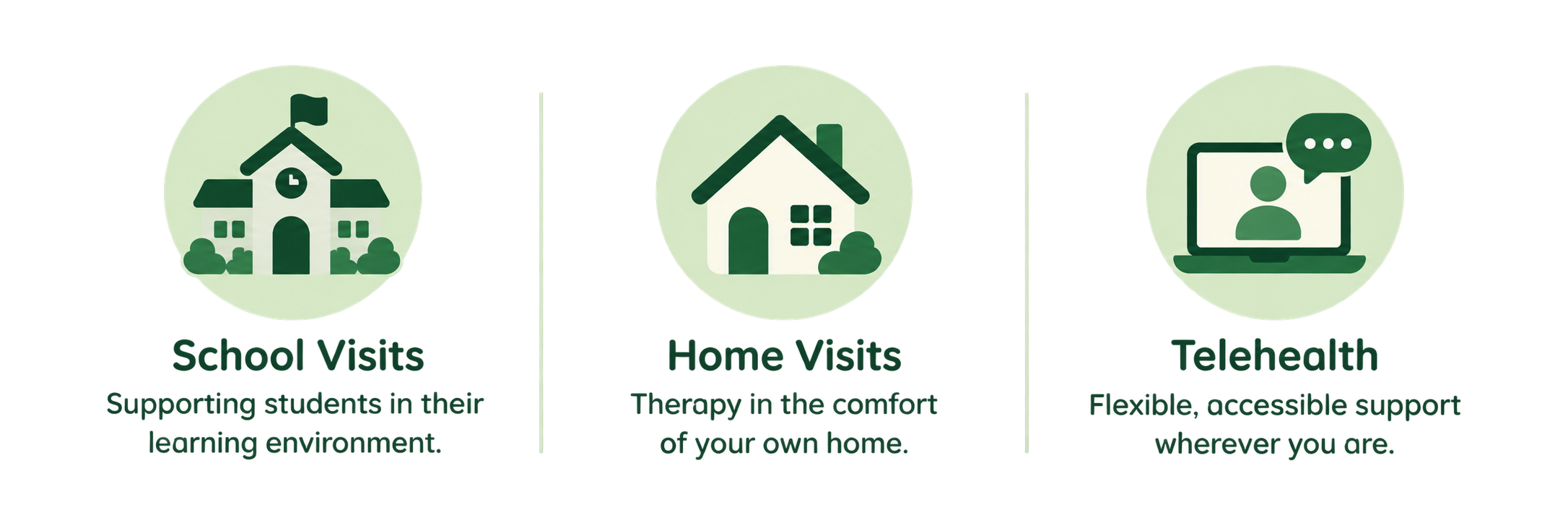
As a mobile service, we come to you at home, school or preschool, helping therapy feel natural, practical and connected to your child’s everyday life.
Therapy that comes to you
Jungle Speech operates as a mobile service, with sessions available at school or at home across the Eastern Suburbs and Inner West of Sydney.

Meet your Speech Pathologist
Deirdre Ni Ghachain (CPSP)
Certified Member of Speech Pathology Australia
B.Sc. Clinical Speech and Language
Deirdre is the Director of Jungle Speech Pathology, a Senior Speech Pathologist and Orofacial Myologist. As a Certified Practising Speech Pathologist with over 10 years’ experience, she has supported children and families across clinic, community and hospital settings and a wide range of communication and swallowing needs.
She is passionate about comprehensive assessment, parent collaboration and making therapy engaging, practical and tailored to each child’s individual strengths, interests and goals.
Areas of Practice
Speech Sounds
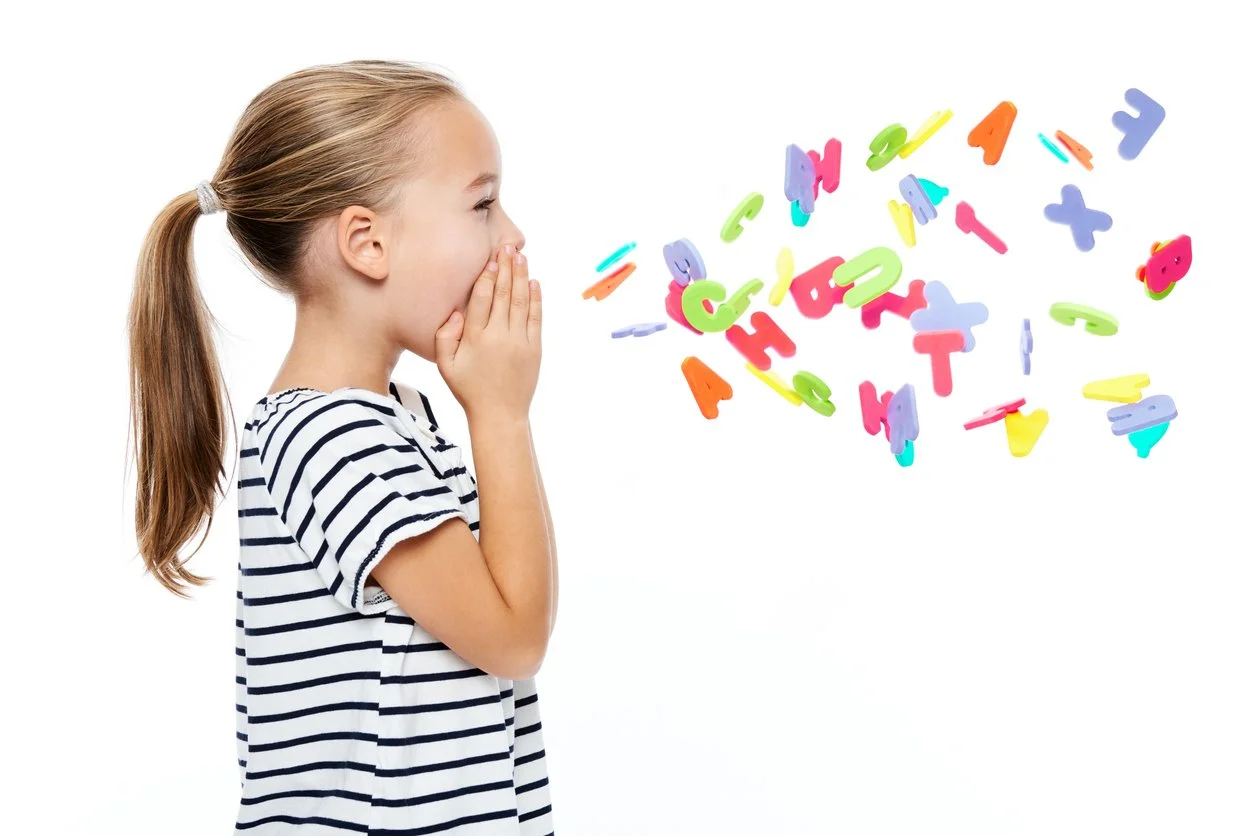
Speech therapy supports children to develop clearer, easier-to-understand speech.
Children may need support with articulation, where particular sounds are difficult to produce accurately, or with phonological processes, where patterns of sound errors affect how words are said.
Early Language
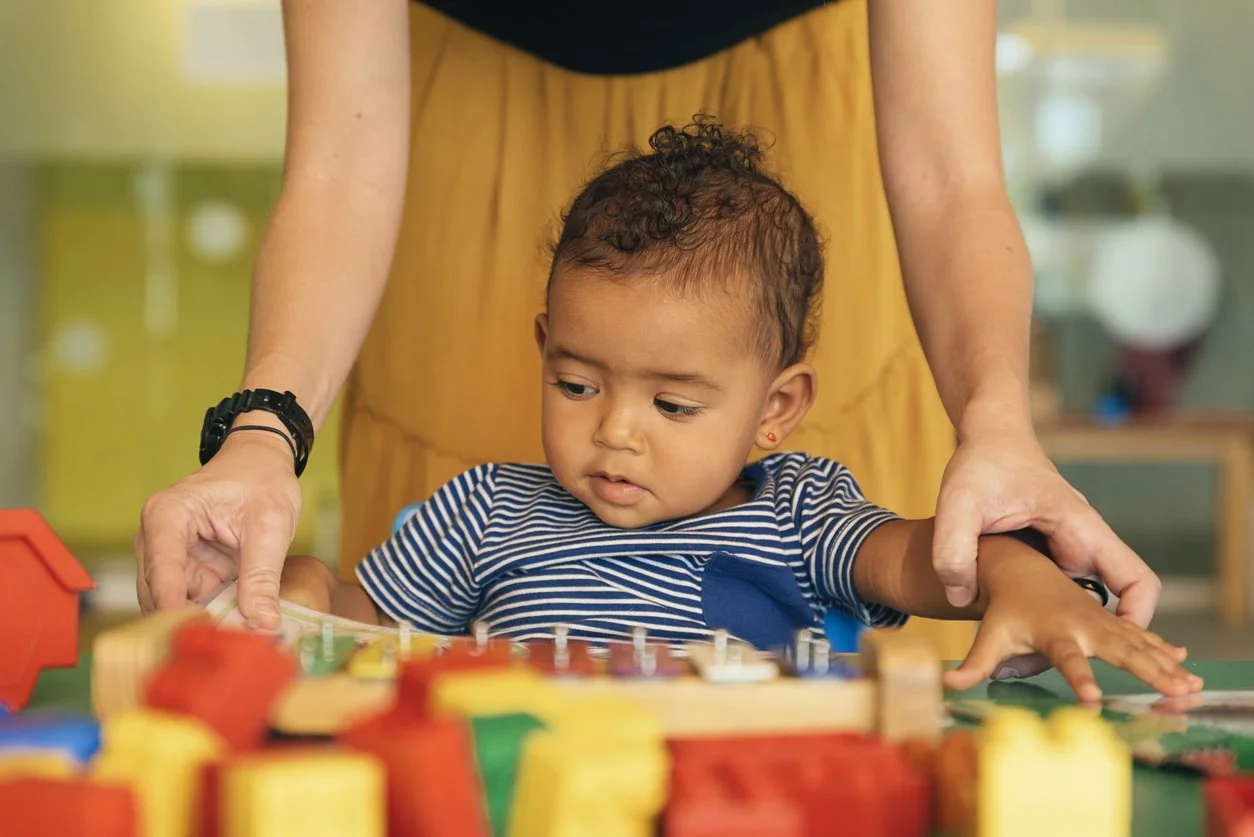
Early language support focuses on the building blocks of communication before and as words begin to emerge.
This can include developing pre-verbal skills such as eye contact, gestures, turn-taking, imitation and shared attention, as well as joint attention: the ability to share focus on the same person, object or activity with someone else.
These early communication skills provide an important foundation for understanding language, using words and engaging with others. Therapy is play-based, responsive and tailored to your child’s individual strengths and stage of development.
Expressive Language
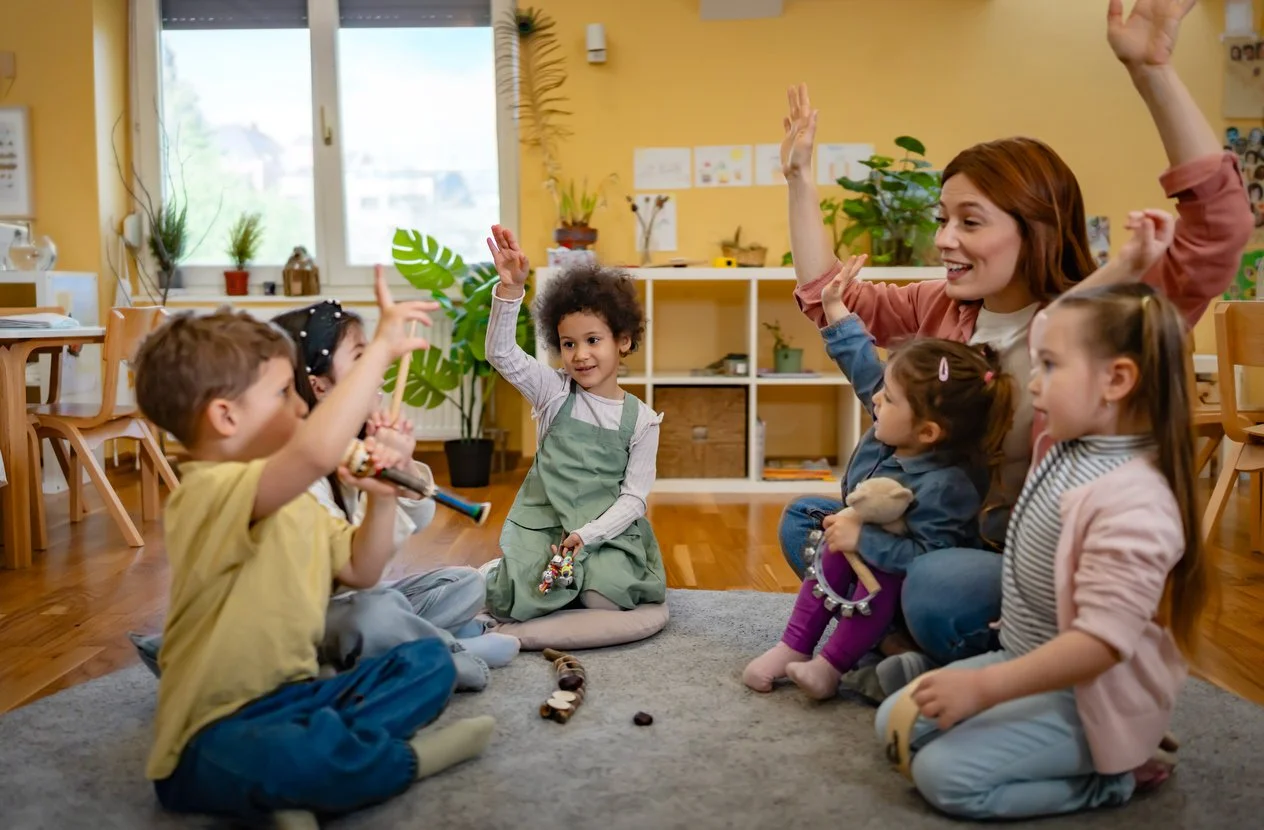
Expressive language is how children share their thoughts, ideas, feelings and needs with others. It includes using words and sentences, building vocabulary and grammar, telling stories, asking questions and developing confidence in conversations and everyday communication.

Receptive Language
Receptive language is how children understand and make sense of language. This includes following instructions, understanding questions and vocabulary, listening to stories, and processing spoken or written information.
These skills are important for everyday life, for example, following a morning routine, understanding what a teacher is asking, answering questions about a story, joining in games, and keeping up with conversations with family and friends.
Literacy Skills
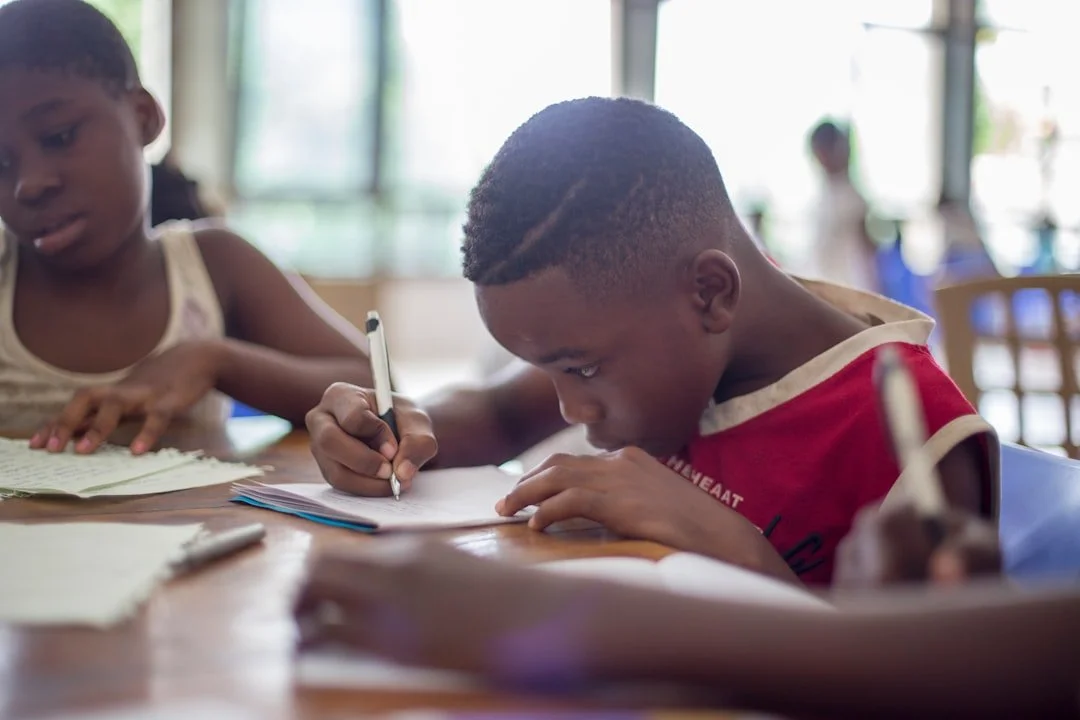
Literacy skills develop from the earliest foundations of listening to and noticing sounds, through to reading and understanding books.
This can include sound discrimination, recognising and manipulating sounds in words, linking sounds to letters, blending sounds together to read words, spelling, reading sentences and developing fluency and comprehension.
These skills support children to become more confident and independent readers and writers, helping them access classroom learning, follow written instructions, enjoy books and express their ideas in writing.

Orofacial Myology and Tongue Tie
Orofacial myology looks at how the muscles of the face, lips, tongue and jaw work together for speech, breathing, chewing, swallowing and resting posture.
Orofacial myology supports healthy tongue movement, oral function and resting posture before and after tongue-tie release.
Support may focus on areas such as tongue placement, lip closure, oral resting posture and patterns that can affect speech clarity or oral function. Therapy is tailored to the child’s individual needs and may be provided alongside other health professionals where appropriate.

Mealtime Management Plans
Mealtime management plans provide practical, individualised strategies to support children who experience difficulties with eating, drinking or mealtimes.
Following assessment, recommendations may focus on areas such as safe eating and drinking, positioning, food and drink textures, pacing, independence and creating positive, manageable mealtime routines. Plans are tailored to the child’s individual needs and can be shared with families, educators and other support people to help provide consistent support across everyday settings.
Phonological Awareness
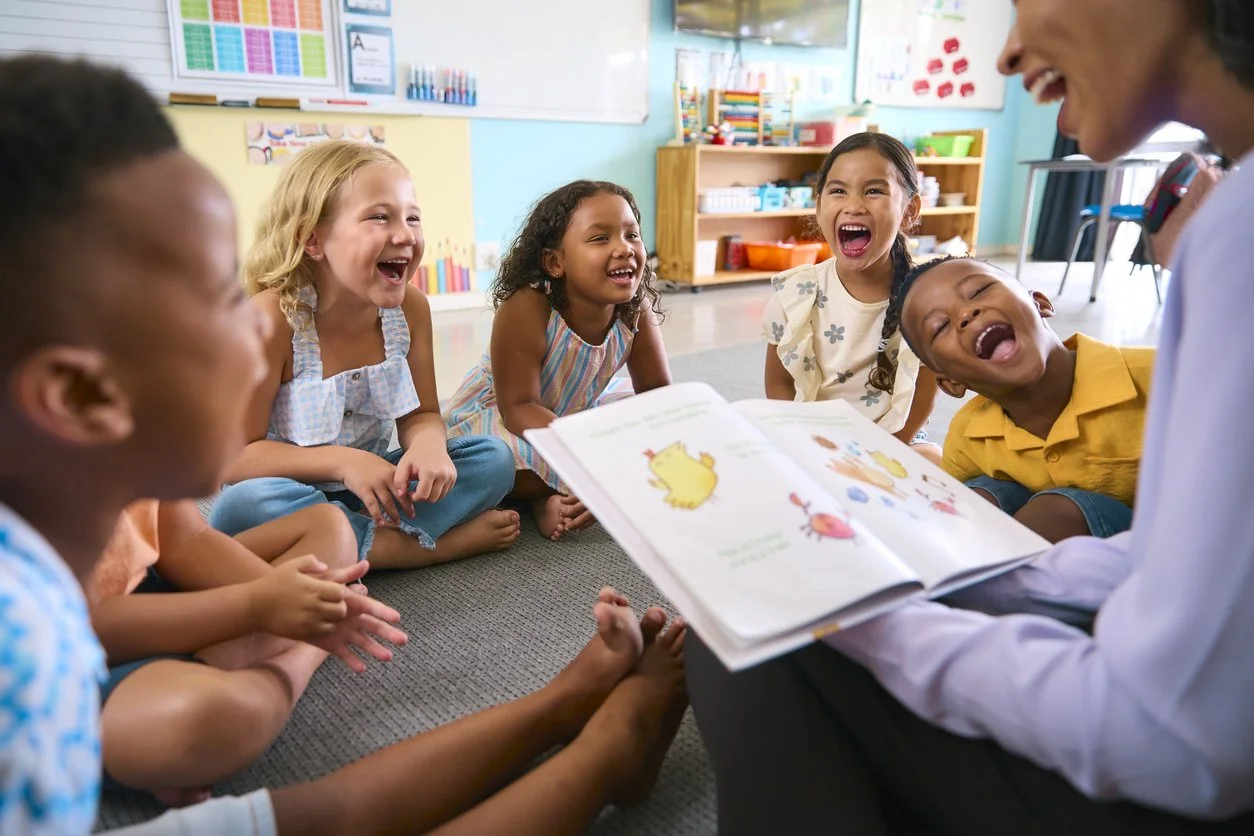
Phonological awareness is the ability to hear, recognise and work with the sounds in spoken language. This includes skills such as identifying rhyming words, breaking words into syllables, recognising the first or last sound in a word, and blending or separating sounds.
These skills are an important foundation for learning to read and spell, as they help children understand how spoken sounds connect to written words.

Social Communication Skills
Social communication skills are the skills children use to connect, communicate and interact with others. This can include starting and maintaining reciprocal conversations, staying on topic, asking and answering questions, understanding different perspectives, recognising social cues, repairing communication breakdowns, and developing and maintaining friendships.
Support is tailored to each child’s individual communication style, strengths and goals, helping them feel more confident navigating everyday social situations.
Ready to get started?
Fill out our New Client form and we'll be in touch to talk through the best fit for your child.